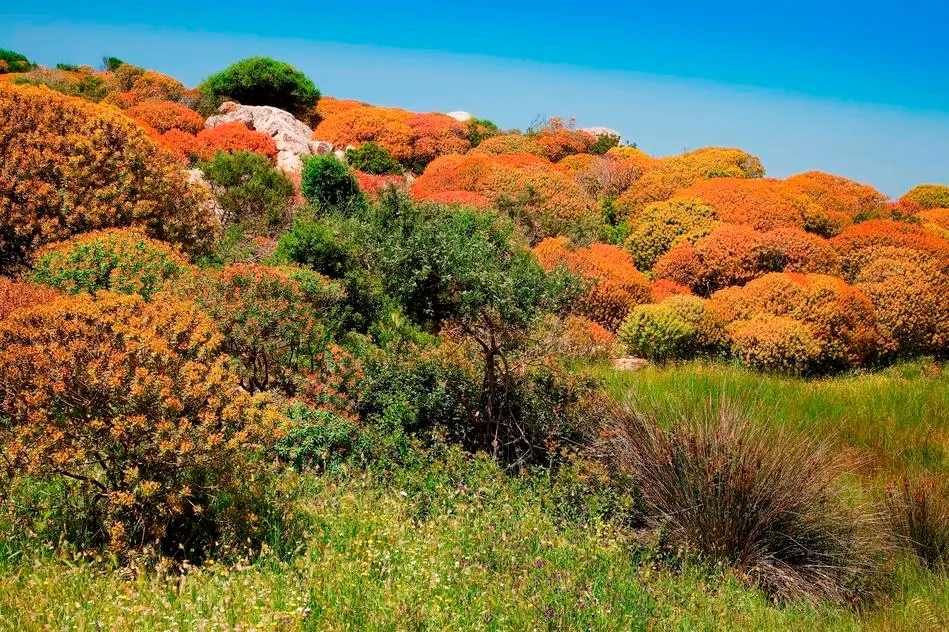
On Sardinia’s western coast, the third-generation, family-owned Silvio Carta company sits roughly six miles from the sea, close enough for the island’s maritime climate to shape the plants around it. Juniper trees, myrtle bushes, vineyards, and aromatic herbs flourish under the influence of the Maestrale, the strong northwesterly wind that sweeps across Sardinia year-round.
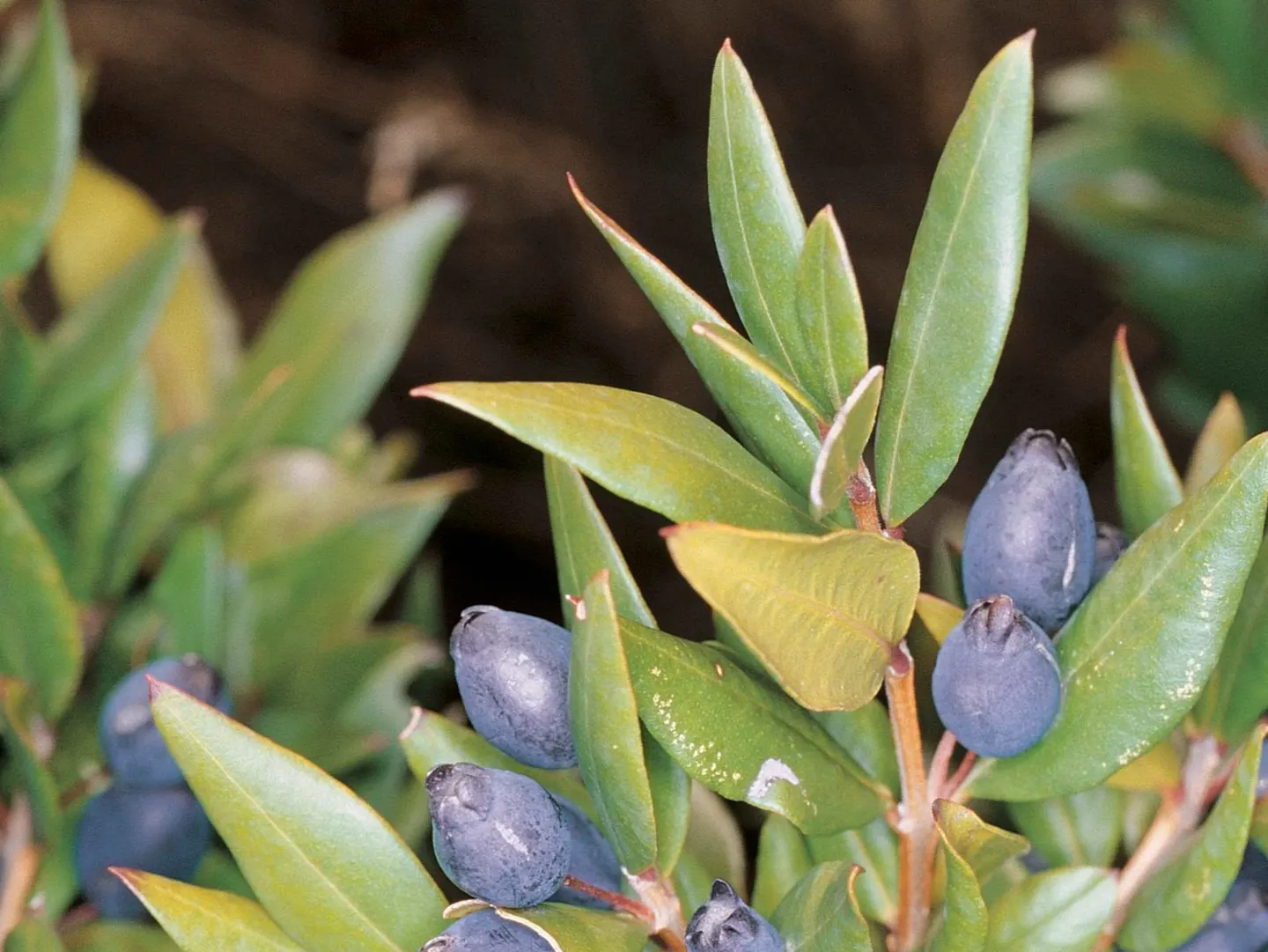
Nino Mason Carta, Silvio Carta’s grandson, says the wind brings sea salt inland, giving the hand-picked herbs and botanicals in their spirits a stronger aroma. “When you arrive in Sardinia, especially in the summer, you smell the myrtle,” Nino said. “For us, it is the first smell of Sardinia.”
Sardinia’s Botanicals in a Cocktail Movement
By focusing on local botanicals, Silvio Carta’s spirits align with current drinking trends. The IWSR, which tracks beverage-alcohol data globally, describes “selective premiumization” as a key 2025 driver: health concerns and tighter budgets are leading many consumers to drink less, but choose higher-quality products when they do.
Locally grown botanicals can signal that premiumization. They deliver flavor, complexity, and, when done right, a clear sense of place. In Silvio Carta’s case, Sardinian myrtle, juniper, rosemary, sage, and citrus help bring the aroma and authenticity of Sardinia to the drinker.
And Silvio Carta has another personalized element that sets it apart. “We only use herbs that we grow,” Nino said.
Sardinia’s Traditional Distillation Meets a Modern Botanical Portfolio
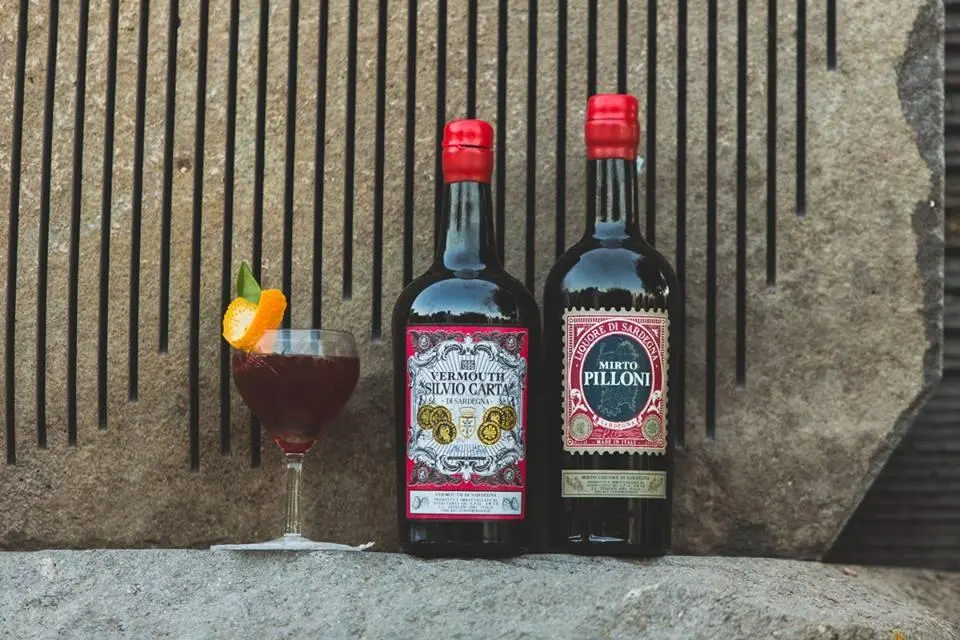
Founded in 1950, the company was originally focused on traditional winemaking and distillation, but grew across generations into a broad beverage company. Its spirits portfolio includes gin, vermouth, bitters, and amari; lemon, orange, and licorice liqueur; Grappa di Vernaccia; and several expressions of Sardinia’s signature myrtle digestif.
Today, it produces approximately 1.5 million bottles annually across its wine and spirits divisions.
“At Silvio Carta, we don’t try to imitate classic spirits, we try to express Sardinia itself. Every bottle is an interpretation of our island, its aromas, its landscape and its history,” Nino said. “When someone enjoys one of our spirits, I hope they don’t just discover a great gin, vermouth or liqueur, but a genuine sense of place.”
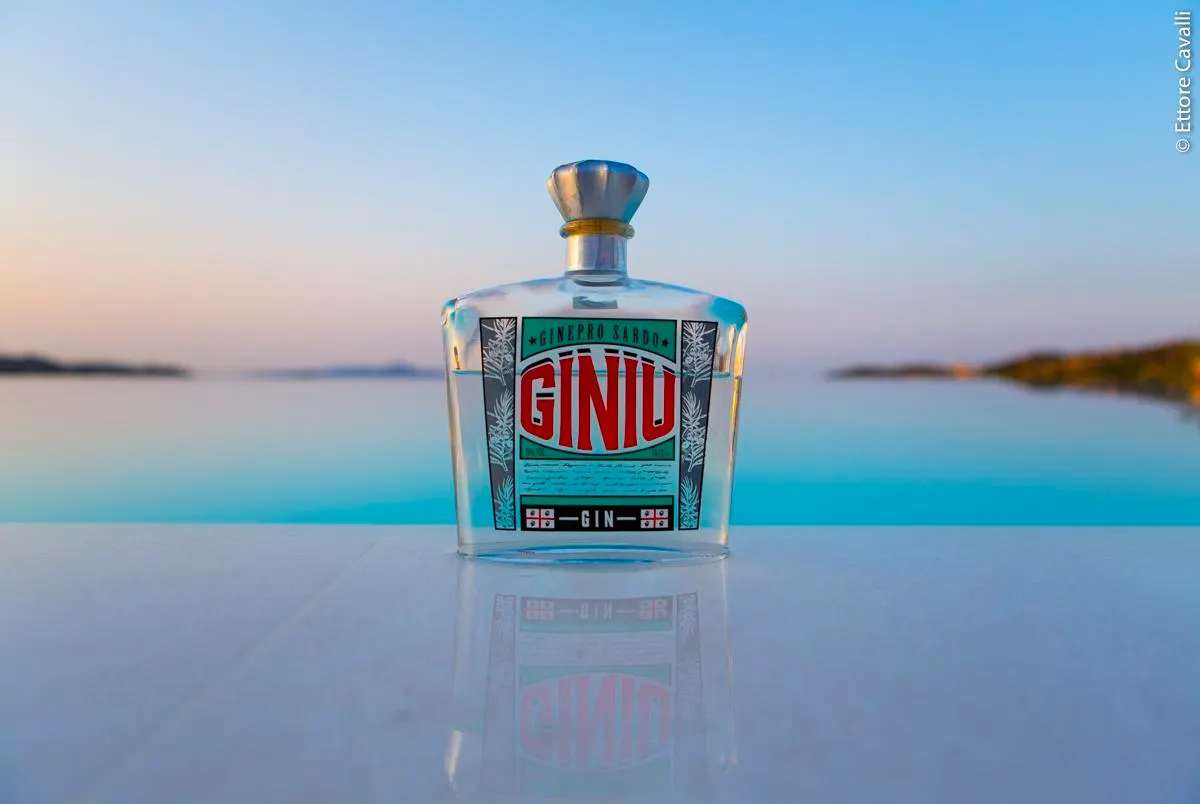
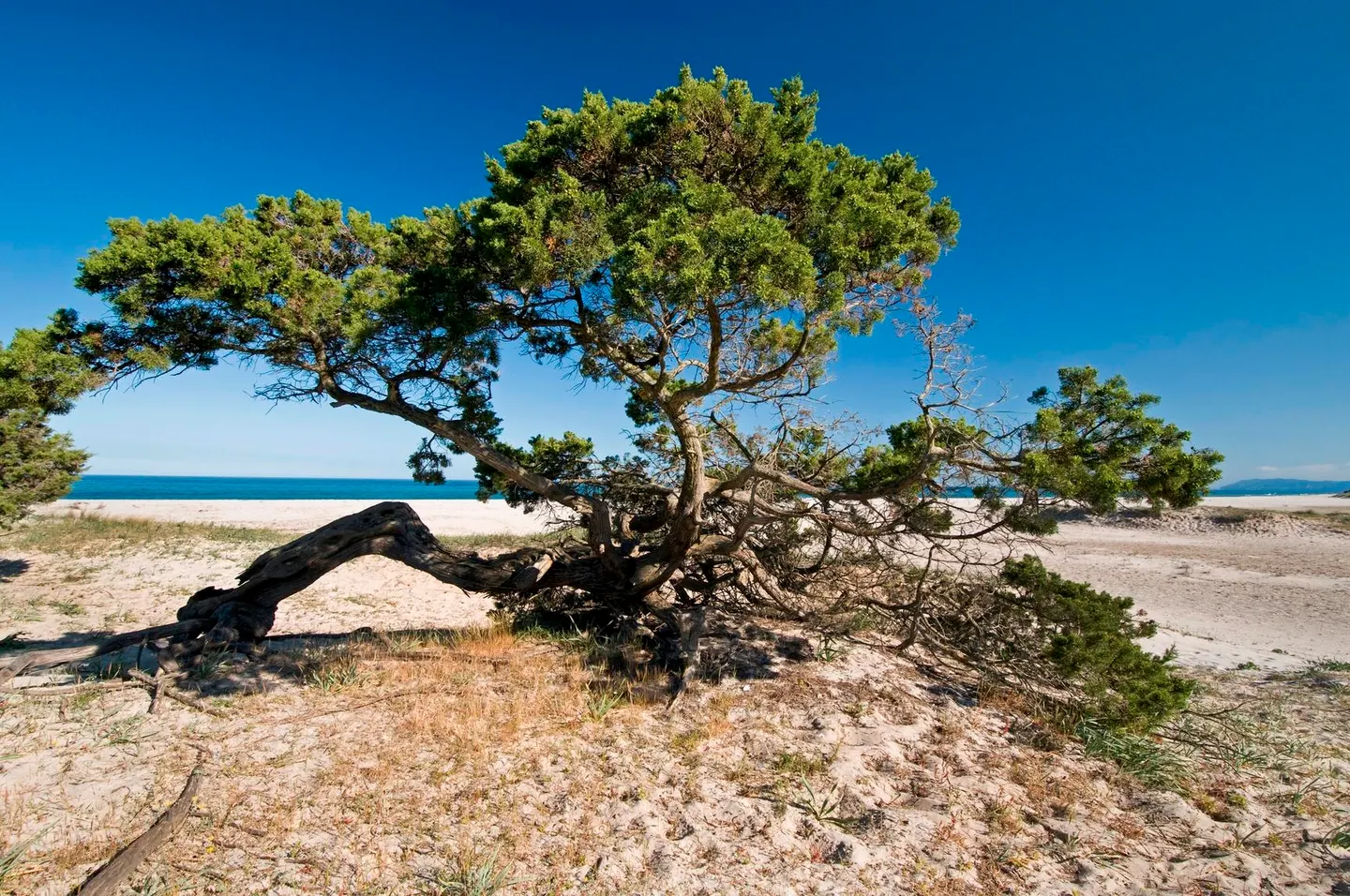
Juniper is among the most intense elements of that landscape. Sardinian juniper can be deeply aromatic, especially when it grows near the coast. Silvio Carta’s Giniu Gin takes its name from the Sardinian word for juniper, placing both the plant and the island dialect at the center of the product’s identity.
The family’s myrtle digestif recipe dates to 1939, when myrtle berries helped sustain the local population during famine. To preserve the fruit, Elio Carta’s grandmother, Anna Maria Perra, placed the berries in spirits the family had already produced, laying the foundation for what became the house’s historic myrtle recipe.
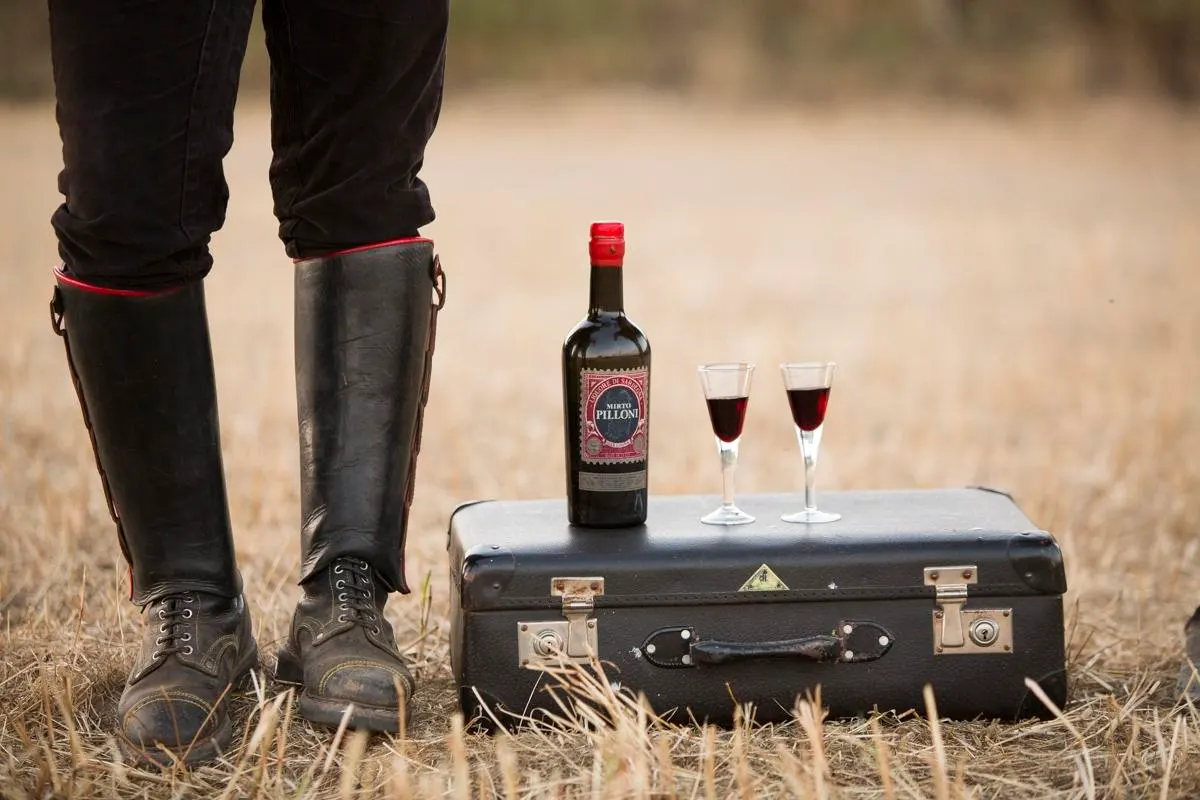
Myrtle remains a standout ingredient across the portfolio. Silvio Carta produces both Mirto Rosso, made from dark berries, and Mirto Bianco, made from myrtle leaves. The leaves produce a more aromatic and delicate liqueur, while the berries contribute greater tannin, fruit, and concentration.
The traditional style was intentionally drier than many commercial versions. “Historically, when grandmothers made it at home, sugar was expensive,” Nino explained. “They used only a little—just enough to balance the tannin of the berries.” Silvio Carta’s mirto recipes continue to do the same.
Sardinia’s Citrus Liqueurs, Aperitifs, and International Reach
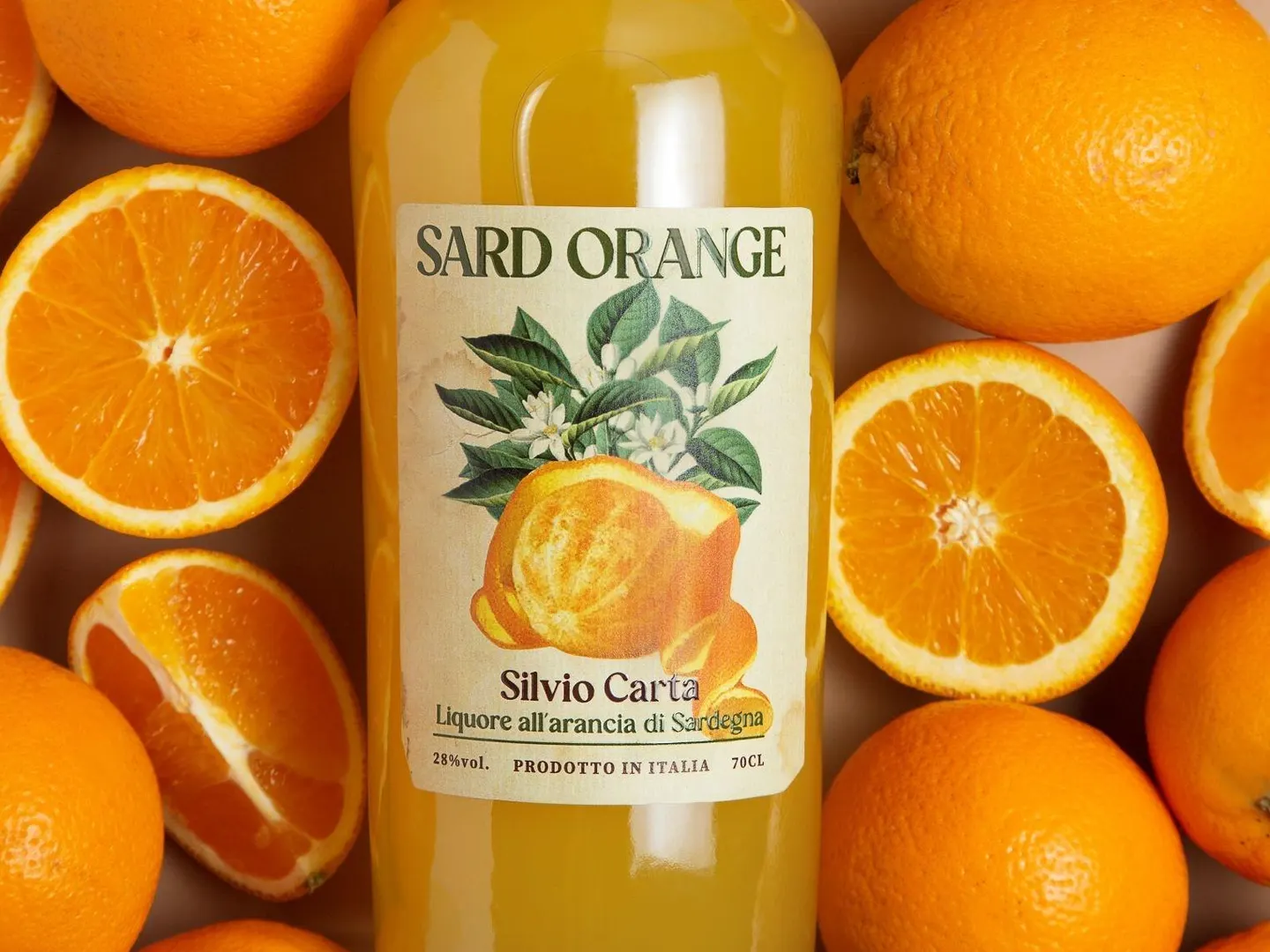
Silvio Carta’s citrus liqueurs offer another expression of place. Its Limonello and Sard Orange liqueurs use nearby fruit, including oranges from Milis, a village known for the quality of its citrus.
Its vermouths and bitters are versatile enough for cocktails yet substantial enough to drink on their own. Carta recommended serving them simply: well-chilled or poured over ice with lemon zest. Yet he explained how, at an event in Almaty, Kazakhstan, one bartender combined the Silvio Carta Spinello aperitif with gin and maraschino liqueur, taking the product in an entirely different direction.

ETTORE CAVALLI, photo courtesy of Silvio Carta
What matters most to the family is expressing the Mediterranean island in its products. “Sardinia is one of the few places in the Mediterranean where nature has preserved an extraordinary identity. The constant Mistral wind that hits our coast all year long, the proximity to the sea, the intense sunlight and the unique biodiversity give our botanicals characteristics that simply cannot be replicated elsewhere.”
Silvio Carta’s future may lie in staying deeply Sardinian. Its island botanicals, distinctive flavors, and generations of family knowledge give the house a quality the modern spirits world increasingly prizes: character and authenticity found nowhere else.
Italy remains the company’s largest market, but Silvio Carta also exports internationally, including to the United States.